Archives
- 2026-08
- 2026-07
- 2026-06
- 2026-05
- 2026-04
- 2026-03
- 2026-02
- 2026-01
- 2025-12
- 2025-11
- 2025-10
- 2025-09
- 2025-03
- 2025-02
- 2025-01
- 2024-12
- 2024-11
- 2024-10
- 2024-09
- 2024-08
- 2024-07
- 2024-06
- 2024-05
- 2024-04
- 2024-03
- 2024-02
- 2024-01
- 2023-12
- 2023-11
- 2023-10
- 2023-09
- 2023-08
- 2023-07
- 2023-06
- 2023-05
- 2023-04
- 2023-03
- 2023-02
- 2023-01
- 2022-12
- 2022-11
- 2022-10
- 2022-09
- 2022-08
- 2022-07
- 2022-06
- 2022-05
- 2022-04
- 2022-03
- 2022-02
- 2022-01
- 2021-12
- 2021-11
- 2021-10
- 2021-09
- 2021-08
- 2021-07
- 2021-06
- 2021-05
- 2021-04
- 2021-03
- 2021-02
- 2021-01
- 2020-12
- 2020-11
- 2020-10
- 2020-09
- 2020-08
- 2020-07
- 2020-06
- 2020-05
- 2020-04
- 2020-03
- 2020-02
- 2020-01
- 2019-12
- 2019-11
- 2019-10
- 2019-09
- 2019-08
- 2018-07
-
First KEGG and GO annotation were
2019-10-17
First, KEGG and GO annotation were conducted for these 1251 genes. Then, combining the pathway enrichment analysis, we explored how these genes could function in breast cancer. We discovered that neuroactive ligand-receptor interaction was the most enriched pathway, which comprised numerous G protei
-
Total synthesis requires the two key
2019-10-17
Total synthesis requires the two key intermediates 3 and 7, which were synthesized using the route described in below. Phenylethylamine 3 was readily synthesized from vanillin or isovanillin; the overall yield was 50–52%. To prepare the intermediates 7, bromination of 2-(4-hydroxyphenyl) acetate wit
-
br Introduction In addition to the canonical
2019-10-17
Introduction In addition to the canonical double stranded structure, DNA can form various higher order structures such as bulges, and various kinds of mismatches, triplexes, to the G-quadruplex (G4). Over the past decades, accumulating evidence has begun to emerge that these non-canonical structu
-
Moreover recent structural studies of
2019-10-17
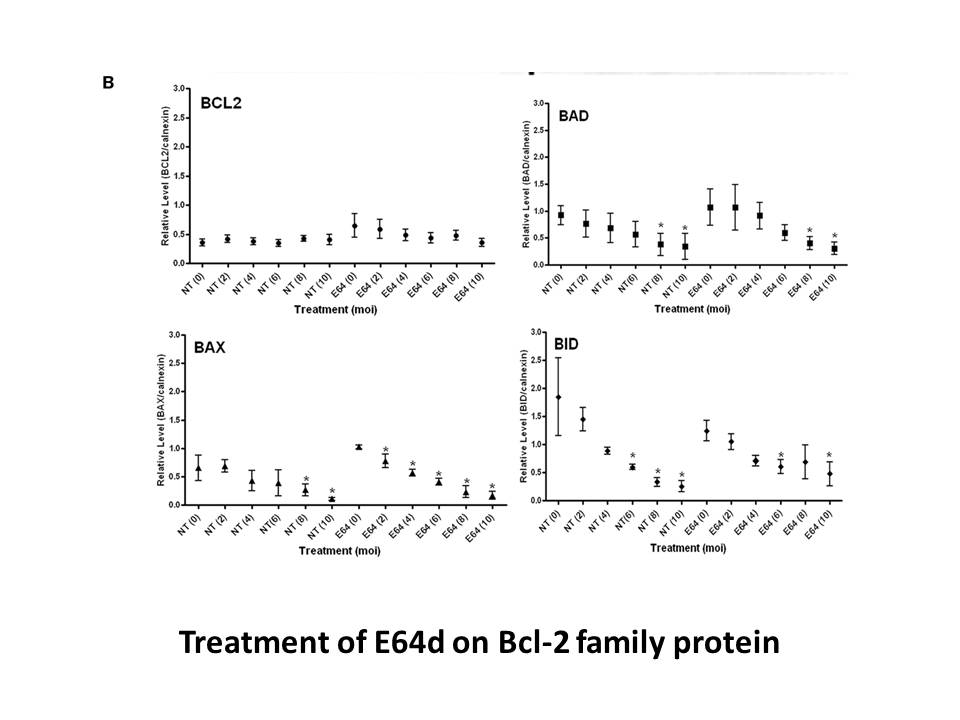
Moreover, recent structural studies of VEEV nsP2pro in complex with E-64d revealed an important molecular interaction at the interface of two subdomains. In this structure, Asn475 which is in polar contact with carbonyl oxygen of Asp507 of the protease subdomain makes an H-bond with Arg662 of the MT
-
Another important mediator in fear learning is the neuropept
2019-10-17
Another important mediator in fear learning is the neuropeptide corticotropin-releasing factor (CRF). For example, local repeated administration of CRF into the basolateral amygdala potentiates the acquisition of cue-conditioned fear (Bijlsma et al., 2011) and CRF1 receptor antagonists effectively b
-
VEGF inhibition causes vascular regression and tissue hypoxi
2019-10-17
VEGF inhibition causes vascular regression and tissue hypoxia in tumor tissues and their surrounding healthy adipose tissues. In this regard, tumors in steatotic livers and adjacent to adipose tissues would experience more hypoxia than non-adipose tumors. Indeed, our present experimental results sup
-
Prostaglandins production and some of their
2019-10-17
Prostaglandins production and some of their possible biological functions have been reported in protozoa, helminths, and fungi organisms, for example amphizoic amoebas of the genus Acanthamoeba and Entamoeba (E. histolytica) produce PGA2, PGE2 and PGF2α [5,6]. PGA2 is believed to be an intrinsic osm
-
The assessment process is even more
2019-10-17
The assessment process is even more difficult when Commercial-Off-The-Shelf (COTS) components – whose internals are partially or totally unknown – come into play. COTS are being increasingly used by the industry to reduce costs and to shorten development (and possibly deployment) time. However, sinc
-
sesamin Plant uptake of P from OA
2019-10-17
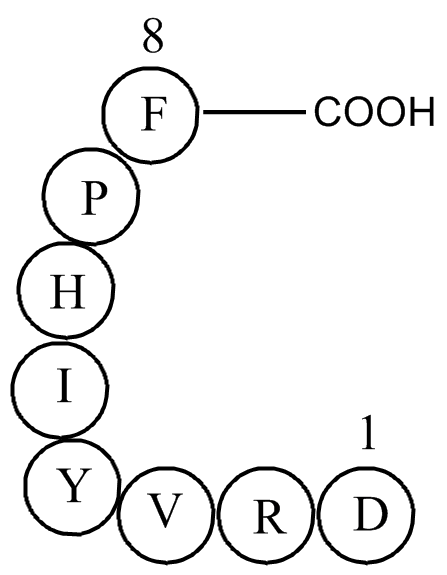
Plant uptake of P from OA could also be affected by arbuscular mycorrhizal fungi (AMF). Approximately 80% of terrestrial plant species form symbiotic associations with AMF (Smith and Read, 2010) which can enhance plant P uptake (Facelli and Facelli, 2002, Pearson and Jakobsen, 1993, Tibbett, 2000).
-
In the present study cells were exposed
2019-10-17
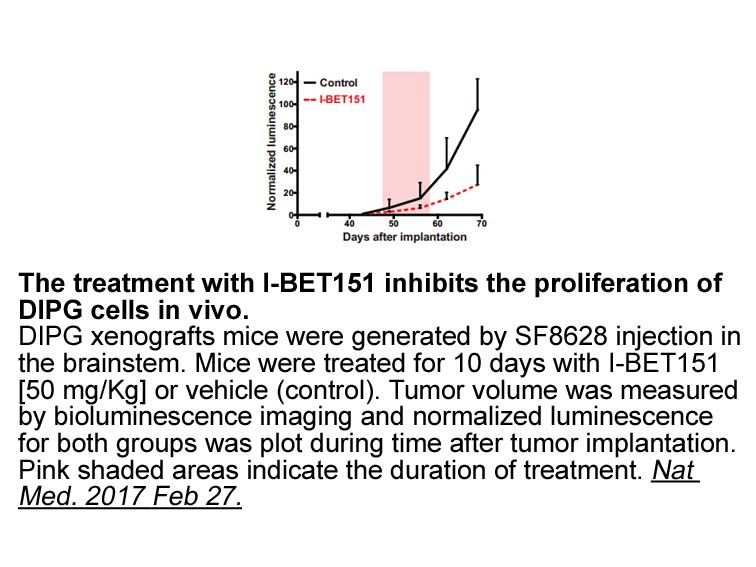
In the present study, cells were exposed to a low level of arsenite and a low cytotoxic concentration of BaP. Thus, γ-H2AX loss correlated with repair of DNA damage in cells co-exposed to arsenite and BaP. These results show that arsenite inhibits repair of BaP-induced DNA damage. In a previous stud
-
In the frontal cortex the present study found
2019-10-17
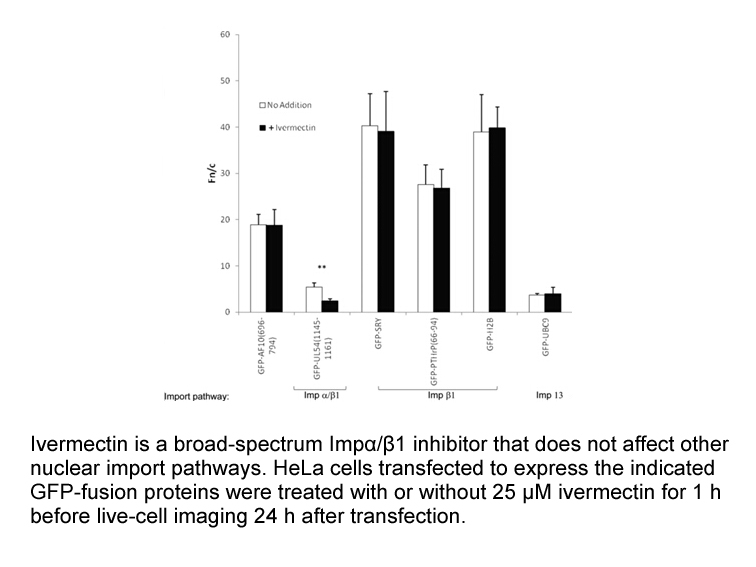
In the frontal cortex, the present study found a relationship between working memory performance and activated Erk2 expression for the E2-only group, where animals that tended to perform better on the WMC measure tended to have higher activated Erk2 expression. This suggests that there is a unique r
-
br Experimental section br Acknowledgments MIN cells were ki
2019-10-16
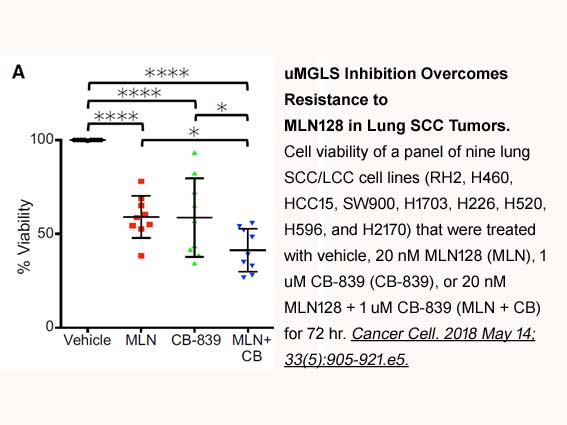
Experimental section Acknowledgments MIN6 cells were kindly provided by Dr. Junichi Miyazaki, Osaka University. This research was supported in part by the Ministry of Education, Culture, Sports, Science and Technology of Japan (JP16H05099 and JP18H04609 to K.H., and JP16H06574 to T.U.), SENTAN
-
It is worth mentioning that in this study we
2019-10-16
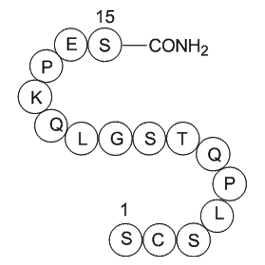
It is worth mentioning that, in this study we only observed the responses of CYP450 to the short-term exposure of DSP toxins (12 h). However, the toxic effects of DSP toxins to bivalves appeared to abate with longer exposure (Pinto-Silva et al., 2005; Flórez-Barrós et al., 2011; Prego-Faraldo et al.
-
Next we evaluated the therapeutic potential of compound usin
2019-10-16
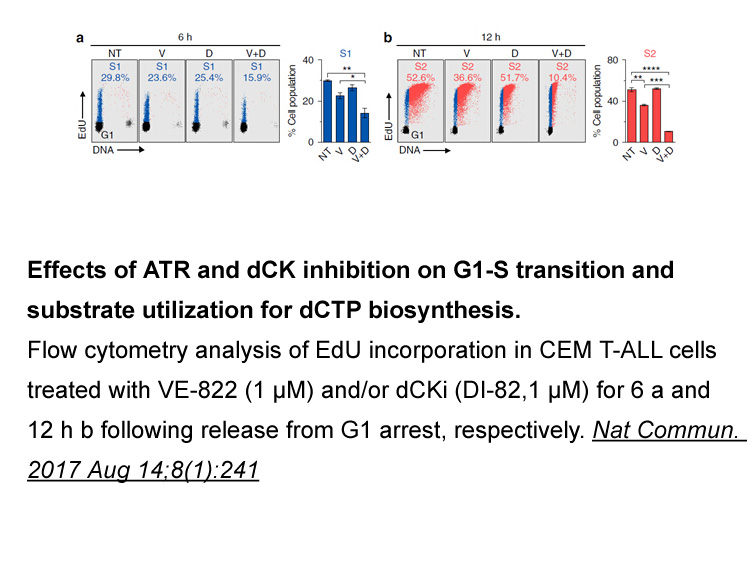
Next, we evaluated the therapeutic potential of compound () using the mouse model of collagen-induced arthritis (CIA model), which is the pathological model for RA. Consequently, oral once-daily dosing of 3 mg/kg reduced the overall progression of the clinical score, including inflammation and bone
-
In the present study we investigated the
2019-10-16
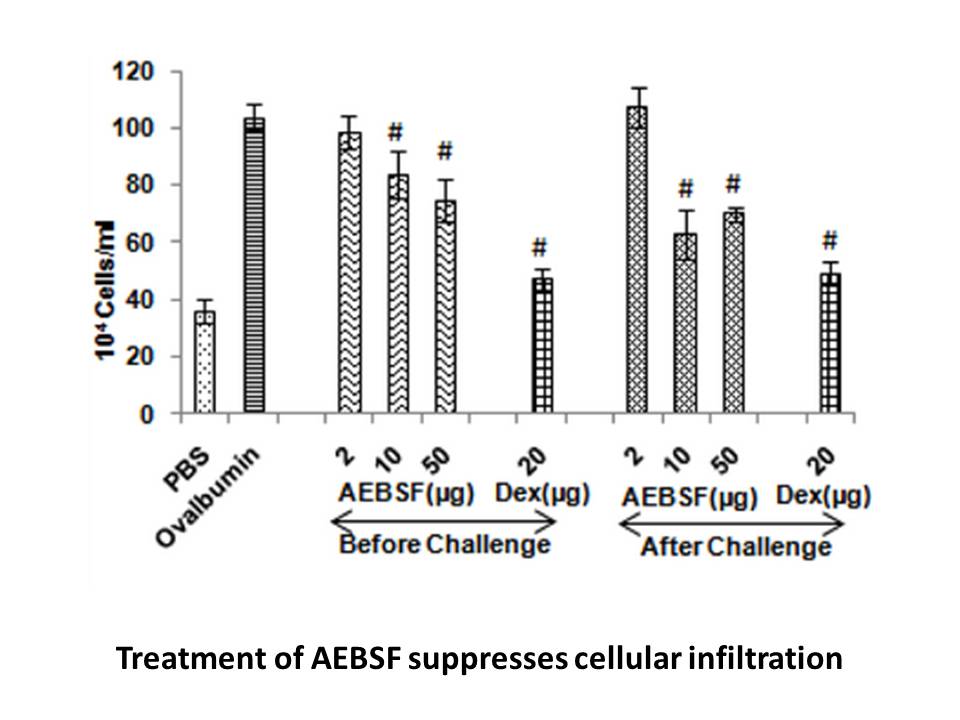
In the present study, we investigated the role played by CRF1 and CRF2 receptors located within the mouse PAG on the anxiogenic and antinociceptive effects produced by local infusion of CRF. To block CRF receptors, we used the selective CRF1 and CRF2 glut1 antagonists, respectively, NBI 27914 ((5-c
15127 records 986/1009 page Previous Next First page 上5页 986987988989990 下5页 Last page